
OilersNation has no direct affiliation to the Edmonton Oilers, Oilers Entertainment Group, NHL, or NHLPA
2010s Retrospective: The Seattle Threat
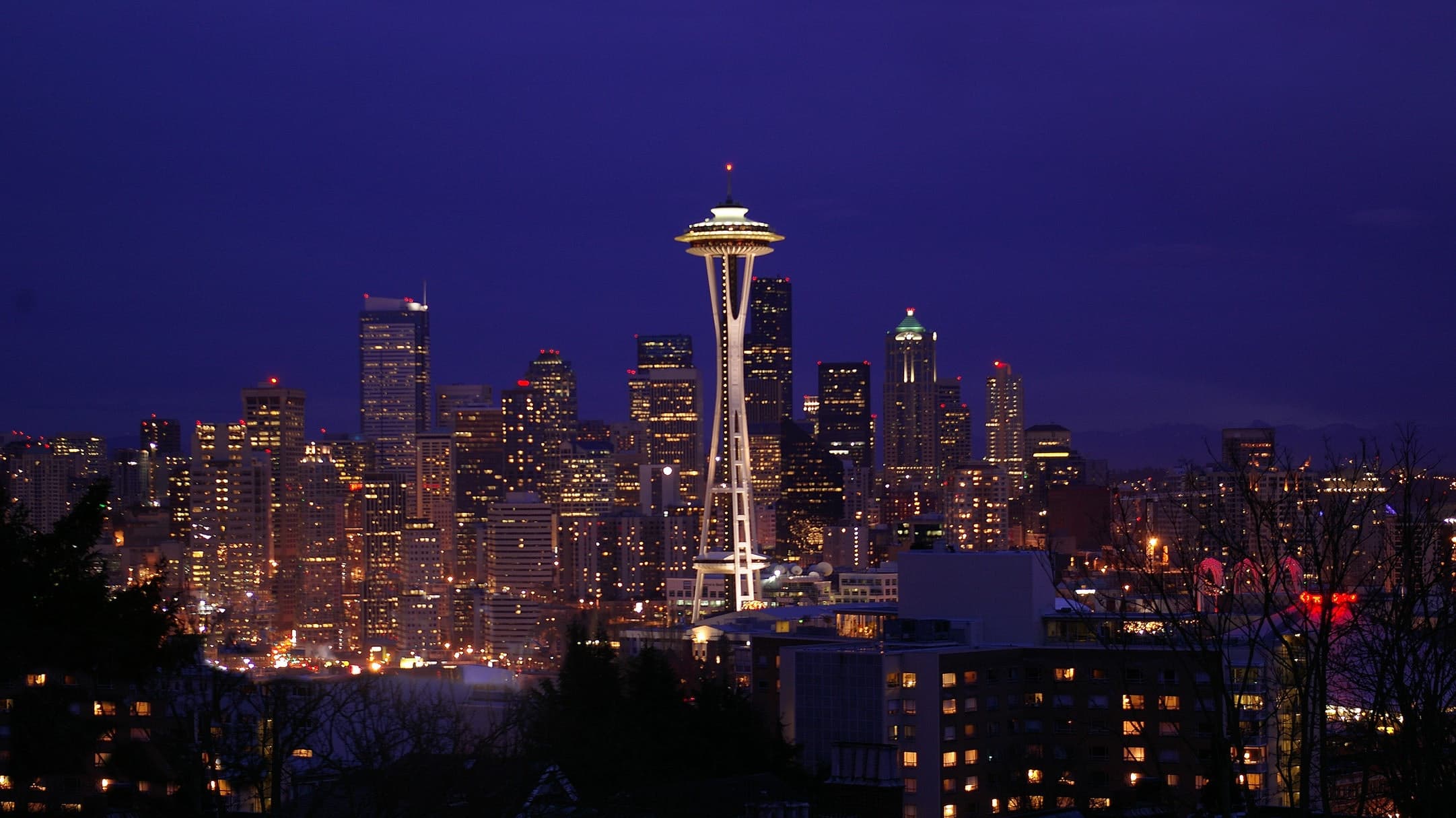

With the New Year right around the corner, we’ll wave goodbye to the 2010s, a decade filled with ups and (many, many) downs in Oil Country. Let’s jump in the time machine and go back through all of the things that defined this decade of Oilers hockey. Today, we have the Katz Group’s threat to move to Seattle.
Despite the optimism created from the high-end talent of the team’s young players, the Oilers continued to lose hockey games. As the young talent didn’t translate to a complete, successful NHL team, fan frustration began to grow.
There was a lot more going on behind the scenes to fuel that frustration, too. With the NHL and the NHLPA failing to reach common ground on a Collective Bargaining Agreement on Sept. 15, 2012, fans faced the reality of yet another lockout. Under a decade after losing an entire season in 2004-05, the NHL was going to cancel games again.
The last time there was a lockout, it was over the major issue of implementing a salary cap. There were obviously other things involved, but that was the marquee issue. The most infuriating thing about the 2012-13 strike was that it was hard for fans to wrap their heads around how, after losing an entire season just a few years earlier to get the salary cap implemented, this was happening again. This time, the league was pushing for things like a maximum four-year term on contracts, restrictions on signing bonuses, longer entry-level deals, and lowering the players’ share of hockey-related revenue.
Shortly after it was announced a deal for a CBA wasn’t met and a lockout was going to start eating into the season, Oilers fans were dealt another punch to the gut. With a deadline looming to get an arena deal done with the City of Edmonton, the Daryl Katz group jumped on a plane to check out Seattle as a possible relocation destination for the Oilers.
“The Katz Group has been listening to proposals from a number of potential NHL markets for some time,” a statement from the Katz Group read. “After more than four years of trying to secure an arena deal and with less than 24 months remaining on the Oilers’ lease at Rexall Place, this is only prudent and should come as no surprise.”
It had been known for quite some time that Rexall Place was inadequate by NHL standards and that Katz, who had purchased the team four years earlier, was looking for an upgrade. The City was largely on board with building a new downtown facility, but the issue came down to who was paying how much for what. Katz referenced development deals in Pittsburgh and Winnipeg that were both funded largely by public money as a framework for what he wanted from the government to get this project done.
While this was ultimately just a bargaining tactic to put some pressure on the City’s government and the threat of packing up and moving the Oilers to Seattle realistically didn’t make much sense, it still rattled an already agitated fanbase. Oilers fans were already annoyed by another NHL lockout, and after going out and selling out the stadium to watch the team tank, Katz was going to rip the team away from Edmonton?
Amidst a massive outcry from fans, Katz took responsibility for the colossal public relations failure, taking out a full-page ad space in local newspapers to apologize and going on radio to explain his actions.
“There was probably a little too much [Mark] Messier and not enough [Wayne] Gretzky in the way that we conveyed things,” Katz said in a radio interview. “What we didn’t consider was how our supporters or our fans would feel and that was wrong and I apologize for it.“Public communications is not in my nature. Chalk that up as a personal shortcoming.”
Making matters worse was the fact there were no games as distractions. You could follow Taylor Hall, Jordan Eberle, Ryan Nugent-Hopkins, and the newly-signed Justin Schultz in the AHL, but it wasn’t even close to the same as following the NHL on a nightly basis.
After a long, gruelling winter, deals were finally struck in January. The NHL and the NHLPA reached a deal on a new CBA on Jan. 12, 2013. The deal meant that the league would play a condensed 48-game schedule beginning on Jan. 19. Shortly after that, Katz and the City of Edmonton reached a deal on a new downtown stadium that would begin construction in the fall.
Everything was back to normal. Now we could just focus on hockey.


Breaking News
- Why Evan Bouchard’s contract makes him more valuable than Cale Makar
- Oilers’ Devon Levi has golden opportunity in wake of Andersen injury
- Oilers prospect Tommy Lafrenière ready for NCAA challenge at Western Michigan
- Top 100 Oilers: No. 18 — Evan Bouchard
- House where former Oilers owner Peter Pocklington was shot goes up for auction

Edmonton OilersTeam Cap Summary

Cap Summary
2026-27
2027-28
Projected Cap Hit
$102,071,666
$88,322,500
Projected Cap Space
$1,928,334
$25,177,500
Current Cap Space
$1,928,334
$25,177,500
Active Players
22/23
16/23
Draft Picks
Round
'26
'27
1
0
0
2
1
1
3
1
0